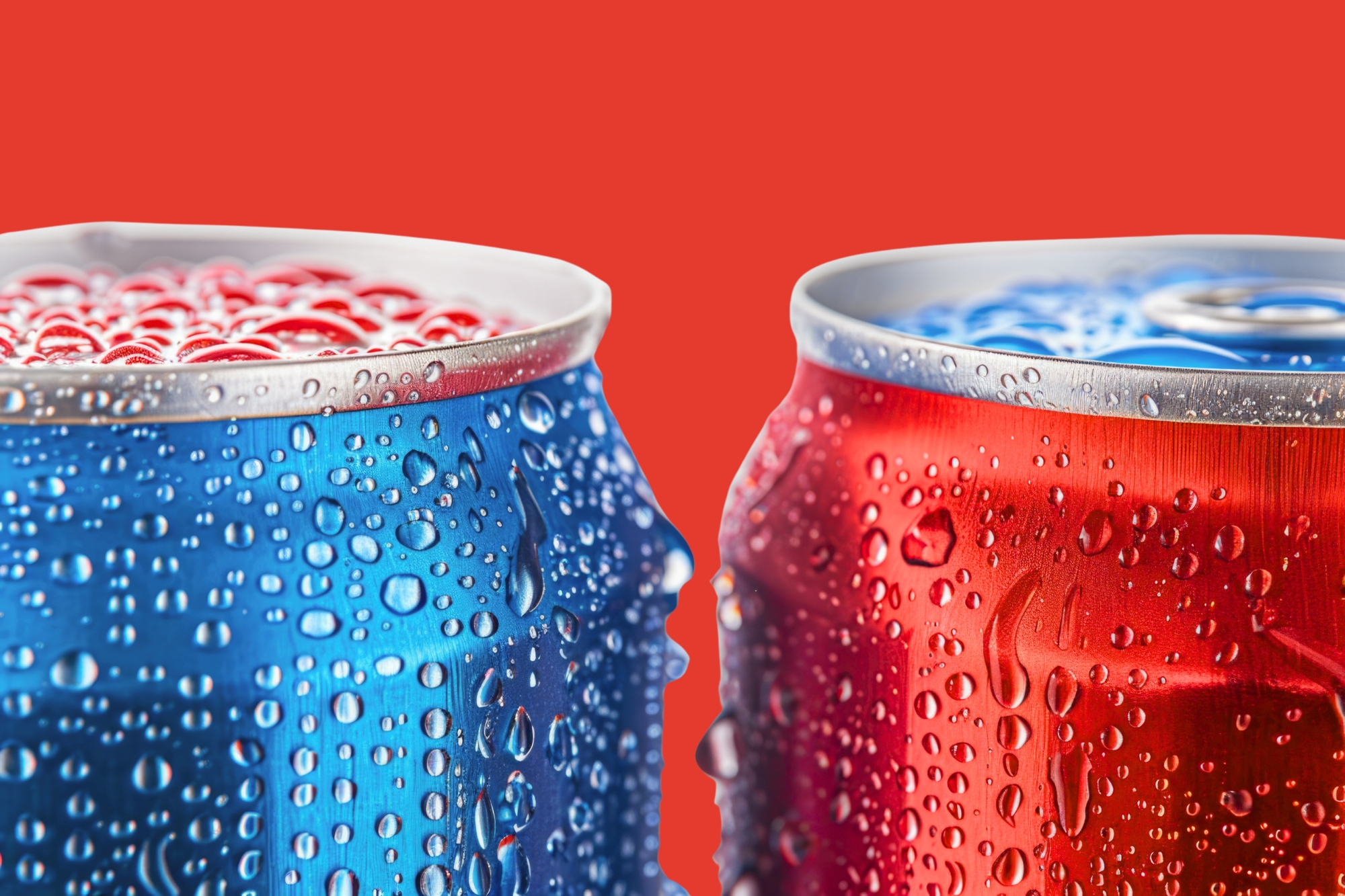
Few brand rivalries have stood the test of time like Pepsi vs. Coca-Cola. For over a century, these two beverage giants have been locked in a fierce competition — not just on supermarket shelves, but in marketing, branding, and consumer loyalty. This iconic rivalry has offered marketers a front-row seat to some of the most strategic, bold, and culturally relevant campaigns in advertising history.
Let’s take a look at how both brands have evolved, positioned themselves, and competed creatively to win hearts — and taste buds.
- Brand Positioning: Tradition vs. Youthful Rebellion
Coca-Cola has long positioned itself as the timeless, classic brand. Its messaging has always focused on happiness, tradition, and emotional connection. Think of slogans like “Open Happiness” or “Taste the Feeling” — they’re rooted in shared moments.
Pepsi, in contrast, has carved out a more youthful and rebellious identity. Its campaigns have consistently aligned with pop culture and emerging generations, from the “Pepsi Generation” of the ‘60s to modern-day influencers and music icon like Beyoncé.
Key Insight: Strong brand positioning can help you remain relevant — whether you lean into legacy or lead with modernity.
- Campaigns that Shaped the Market
- The Pepsi Challenge (1975): Pepsi’s blind taste test campaign challenged consumers to choose between the two colas. Many picked Pepsi, igniting one of the most daring brand confrontations in advertising history.
- Coca-Cola’s “Share a Coke” (2011): A global personalization campaign that replaced its iconic logo with popular names. This emotional strategy tapped into the power of individuality and connection and went viral across social media.
- Pepsi’s Super Bowl Ads: Known for star-studded, bold commercials that often highlight youth, music, and innovation — pushing boundaries to stay top-of-mind.
Lesson for Marketers: High-impact campaigns often succeed by combining consumer psychology with cultural relevance.
- Rebranding & Product Innovation
Both brands have experimented with product line extensions and rebranding.
- Coca-Cola’s controversial New Coke launch in the 1980s flopped but eventually strengthened brand loyalty when the company returned to its original formula.
- Pepsi has experimented more aggressively with limited-edition flavors, modern logo updates, and tech-forward packaging.
Takeaway: Not all rebrands work — but if handled well, even failure can be leveraged to reinforce brand identity.
- Digital & Social Media Play
Coca-Cola tends to use heartwarming storytelling and inclusive campaigns online, while Pepsi leverages trendy, celebrity-driven digital experiences.
- Coca-Cola’s “Real Magic” platform celebrates human connection across platforms.
- Pepsi’s TikTok and influencer collaborations speak to younger audiences directly.
What to Learn: Know your audience, and tailor your digital presence to match their values and habits.
Final Thoughts
The Pepsi vs. Coca-Cola rivalry isn’t just about soft drinks — it’s a masterclass in branding, storytelling, and adapting to change. While Coca-Cola plays the long game with emotional storytelling, Pepsi constantly reinvents itself to stay fresh and youthful.
For marketers, this iconic rivalry reminds us that there’s no single right way to succeed — but consistency, bold creativity, and a deep understanding of your audience are always essential.